When businesses plan for an ERP implementation, they usually focus on system features, vendor selection, training, or timelines. But one step often underestimated — and yet the most critical — is data migration. A Hectic Process for

If your business runs on Odoo ERP, you already know how powerful and flexible it is. From managing sales and inventory to accounting, HR, and customer service — It centralizes your operations into one intelligent system. But
Implementing Odoo ERP is a big step toward streamlining your business operations — but the journey doesn’t end after go-live. Like any other critical business system, Odoo requires ongoing maintenance, updates, and technical support to perform optimally.
In today’s enterprise landscape, ERP (Enterprise Resource Planning) systems have become the backbone of business operations. From finance and supply chain to HR and analytics, ERP platforms help companies unify their processes under one digital ecosystem. For
Here are key trends to watch for in the Odoo ecosystem heading into 2026 — with a focus on how they apply globally and especially in an Indian context. These aren’t just speculative; many are already visible
ERP (Enterprise Resource Planning) systems are meant to streamline operations, unify data, and empower decision-making. Yet, in boardrooms and project kick-off meetings, there’s one phrase that silently sabotages even the best ERP initiatives. It sounds harmless. It’s
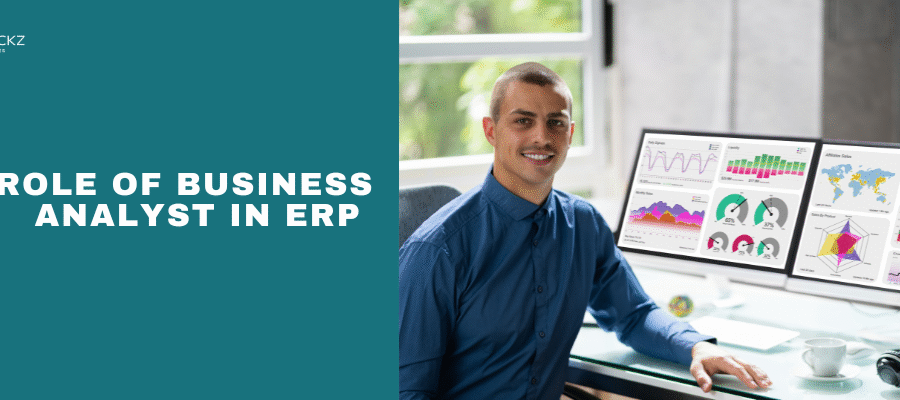
At the center of this transformation stands the Business Analyst (BA) — the bridge between business needs and technical execution. A skilled BA ensures that ERP solutions deliver real value by translating business goals into functional and

Modern ERP (Enterprise Resource Planning) systems are designed to streamline business processes, improve collaboration, and provide a single source of truth for data. However, every organization has its unique workflows and requirements that may not fit perfectly
Globalteckz is one of the leading Odoo integrators and ERP service providers in India - Mumbai since 2013, offering expert solutions in Odoo, ERPNext, and business automation for startups and enterprises. With a skilled team, we deliver customized ERP implementation and support to streamline operations and drive digital transformation across the globe, UAE, USA, Canada, and the UK.


